
How to Teach Your Child to Sound Out Words

If your child looks at a word and guesses instead of sounding it out, you are not alone. Most parents see it and are not sure what to do about it. Some assume their child will figure it out eventually. Others hand them a reading app and hope the screen does the work.
But sounding out words is not something children just figure out on their own. It has to be shown to them. And the parent who sits down and models the process consistently is one of the most important factors in whether a child learns to decode or keeps guessing.
This is something any parent can do. You do not need a teaching background. You need a clear method, a little patience, and the willingness to show up every day. Here is exactly where to start.
What Sounding Out Words Actually Means
Before you can teach your child to sound out words, it helps to understand what that actually means. Sounding out a word is not guessing from the picture on the page. It is not recognizing a word by its shape. It is not memorizing what a word looks like.
Sounding out is decoding. It means looking at the letters in a word, knowing the sound each letter makes, and blending those sounds together from left to right until the word clicks. It is a mechanical skill, like learning to ride a bike, and it has to be practiced until it becomes automatic.
A child who can decode does not need to have seen a word before to read it. They can meet any word on any page and work through it sound by sound. That is the goal. And it starts with one foundational step that cannot be skipped.
Step One: Letter Sounds Must Come First
A child cannot blend sounds together if they do not know what sounds the letters make. This is the foundation, and a child needs to have a solid base of letter sounds before blending will feel manageable. But they do not need to know every letter sound before they start. Once they know the sounds for a small handful of letters, like M, A, S, and T, they are ready to start blending their very first words. You build sounds and words together, expanding both as you go.
This is where a lot of parents unknowingly skip ahead. They move straight to words before their child actually knows any of the sounds. Then the child struggles to blend, the parent gets frustrated, and both of them think something is wrong. Usually nothing is wrong. The foundation is just not there yet.
Here is how to check it. Point to a letter and ask your child what sound it makes. Not the name. The sound. The letter B is not "bee." It makes a /b/ sound. The letter M is not "em." It makes a /m/ sound. If your child gives you the name instead of the sound, that is the gap to fill.
Work through letters a few at a time. When your child does not know a sound, say it clearly and have them repeat it back to you. Do this regularly, just a few minutes at a time, and start blending simple words as soon as a few sounds are solid. The two practices reinforce each other. Do not wait until every letter sound is perfect before starting words.
Do not rush past this foundation. The time spent here will make everything else faster and easier.
How to Show Your Child What Sounding Out Looks Like
Once letter sounds are in place, the next step is showing your child how those sounds come together to make a word. The key word here is showing. A child learns this by watching a parent do it first, not by being told to do it themselves.
Grab a piece of paper, a chalkboard, or a whiteboard. Write a simple three letter word. HAT. CAT. BUS. CUP. Something short with a simple consonant-vowel-consonant pattern. These are the clearest words for demonstrating the blending process because every letter makes exactly one sound with no exceptions.
Point to the first letter and say its sound. Slowly and clearly. Then point to the second letter and say its sound. Then the third. Go from left to right. Say each sound as a separate unit, not blended yet.
Then go back to the beginning and start sliding your finger slowly under the word from left to right as you stretch the sounds toward each other. The key is to keep the sounds connected rather than separated. Instead of saying /h/ pause /a/ pause /t/, stretch each sound into the next one without stopping: /hhhh/ flowing into /aaaa/ flowing into /t/. This is called continuous blending and it helps children hear how the sounds actually form the word rather than three separate chunks that never quite click together. Start slow. Speed up gradually. Let the word click together at the end.
Do this yourself several times before asking your child to try. Let them watch you. Watch how it works. Watch where your finger goes. Watch how the sounds change when they are close together. Modelling is one of the most powerful things a parent can do. A child who has watched a parent decode a word ten times has a much clearer picture of what they are trying to do when it is their turn.
When your child is ready to try, stay right beside them. If they get it, celebrate it. If they do not, model it again. There is no wrong here. There is just more practice needed.
The Tool That Makes This Process Repeatable
Doing this on paper is effective and you should keep doing it. But at some point you will want more words to practice with and a way to keep the process fresh and engaging. That is where the Phonics Trainer, one of the core tools inside Phonics Factory at Lotty Learns, comes in.
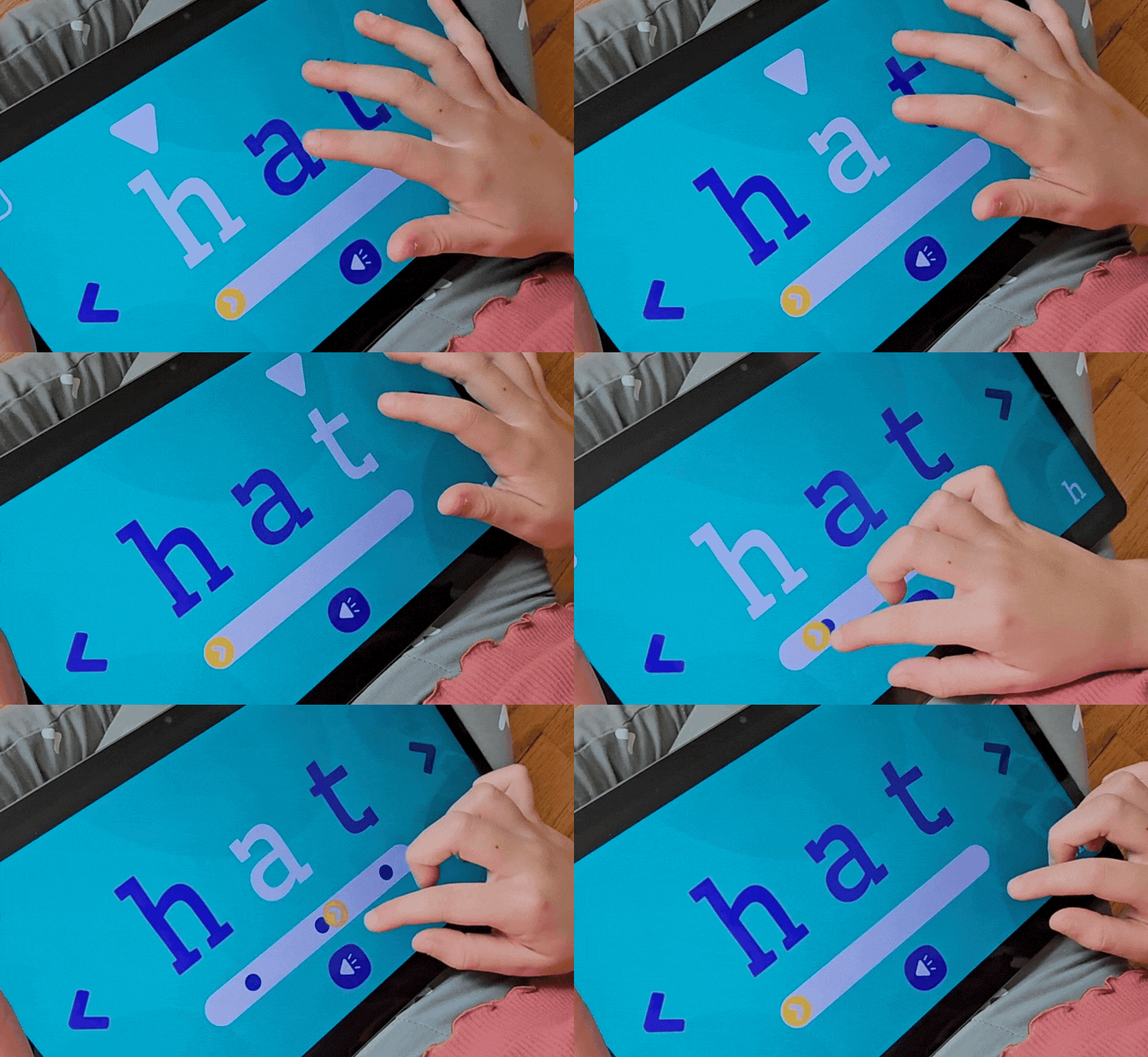
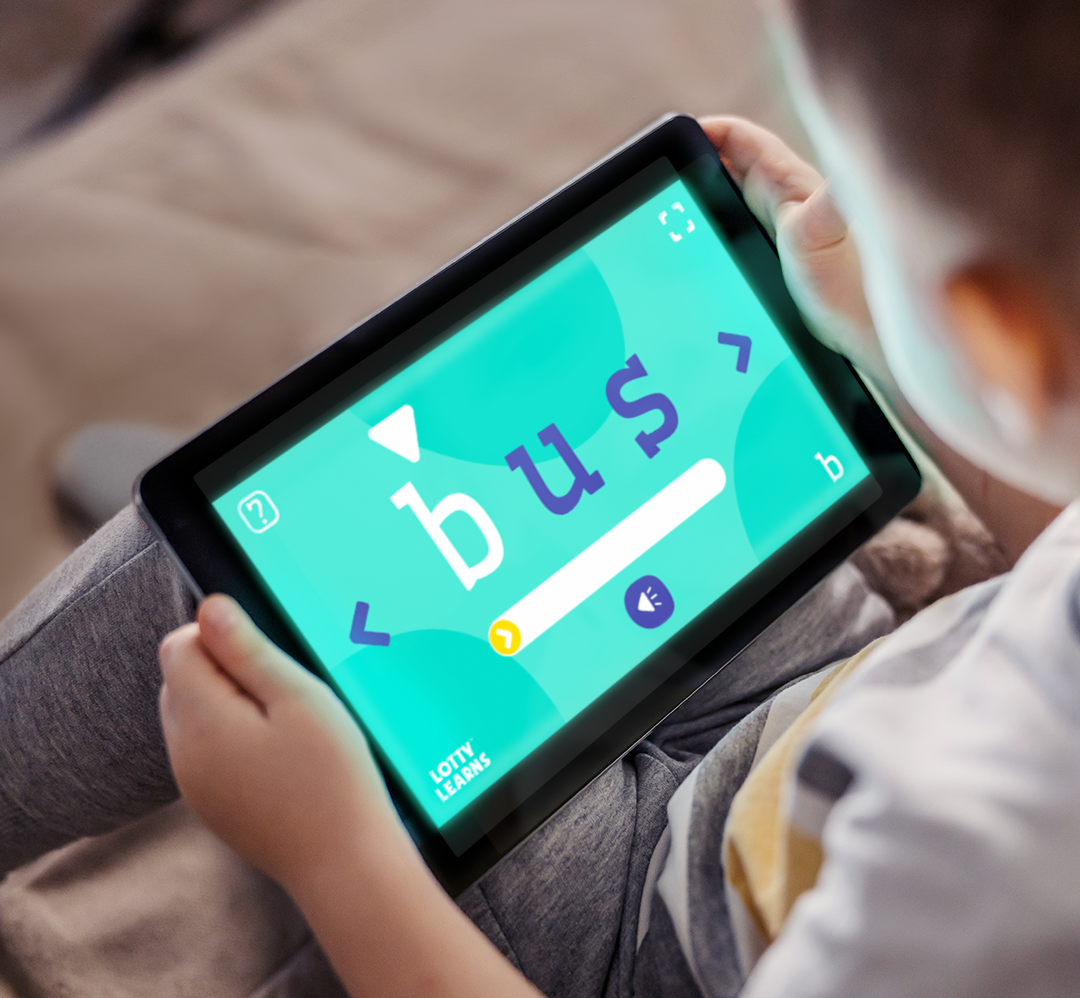
It takes the exact same process you are doing on paper and makes it interactive. A full word appears on screen and your child can tap each letter within that word to hear its individual sound, which reinforces the connection between the written letter and the sound before any blending happens. Then they use the blending slider, which moves across the word from left to right and lights up each letter as it goes. The child says each sound as the letter lights up, then slides gradually faster and faster until the sounds flow together into the word.
It is the same pointing and sliding you are doing on paper. The tool just gives you over 900 decodable words to practice with, across every level of reading complexity, from the simplest patterns all the way through more advanced ones. And because it is designed for parents and children to use together, you stay right in the process the whole time.
The Phonics Trainer is a visual guide, not an automatic teacher. A parent still needs to sit with their child, model how to use the slider, and keep the session positive. The tool makes the process clear and repeatable. The parent makes it work.
What to Do When Your Child Struggles to Blend
If your child knows their letter sounds but still cannot blend words together, the most common reason is that the sounds are not yet automatic enough. They are having to think about each sound while also trying to hold the previous ones in memory and slide them together. That is a lot to manage at once.
The fix is almost always to go back. Not forward. Go back to individual letter sounds and drill them until they come without any hesitation. Once a child can fire off any letter sound instantly, blending becomes much more manageable because the thinking has been reduced to just one job: putting the sounds together.
Another common struggle is moving too fast. Some children rush through the sounds and then cannot hear them blending. Slow everything down. Say each sound with a clear pause between them. Then stretch them toward each other slowly. The word will click when the pace is right.
If a session is not going well, stop. Put the paper down and come back tomorrow. Pushing through frustration does not build reading skills. It builds negative associations with reading practice. A child who ends a session feeling capable will come back. A child who ends feeling stuck will resist.
How to Build the Habit That Gets Results
Short sessions done consistently will always outperform long sessions done occasionally. Ten minutes of focused practice every day is more valuable than an hour once a week. Young children do not need extended study time. They need repetition that builds on itself over time.
Keep the sessions simple. Pick a few words. Model the process. Let your child try. Celebrate what goes right. Move on. That is the whole session. You do not need a plan beyond that.
Your attitude during those ten minutes matters more than almost anything else. Children mirror how a parent feels about an activity. If you bring patience and genuine encouragement, your child will too. Celebrate every word they get right, no matter how simple. When they sound out a word they struggled with yesterday, tell them you noticed. These small moments of recognition are what keep a child motivated to try again tomorrow.
Be honest with yourself about consistency. Parents who sit with their child every day see progress. Parents who try it a few times and stop do not. That is not a flaw in the method. It is simply how skill building works. The results are there for parents who show up regularly. They are not there for parents who wait and see.
What Progress Actually Looks Like
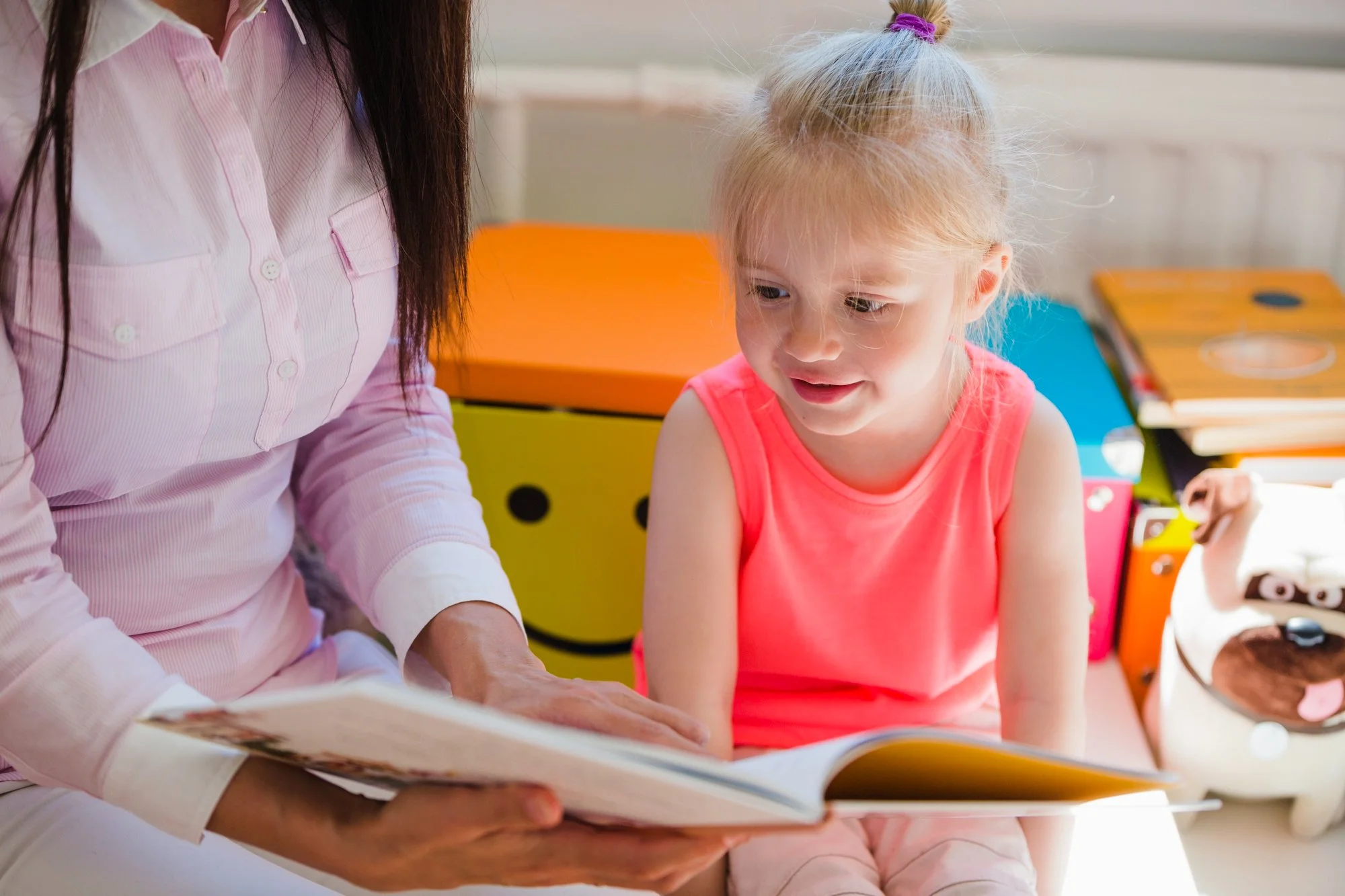
Progress with sounding out words does not always feel linear. Some days your child will breeze through words they struggled with last week. Other days it will feel like nothing is clicking and you will wonder if you are doing something wrong.
You are probably not doing anything wrong. Learning to decode is like learning any physical skill. It has good days and plateaus and occasional steps backward. What matters is not any single session but the pattern over time. A child who practices consistently for weeks and months is building toward real reading ability, and that progress compounds quietly until one day it just clicks.
The moment it clicks is unmistakable. Your child is working through a word, sliding the sounds together, and then suddenly the word just comes out whole. They say it again, faster this time, like they cannot quite believe it worked. That moment is what every practice session is working toward. And once it happens, the child wants to do it again.
That moment comes with repetition. Not with pressure. Not with rushing. With a parent who shows up, models the process, keeps it positive, and trusts that consistent practice is enough.
Phonics Factory at Lotty Learns gives you the tools to make every ten minute session count. Interactive decodable word practice, a blending slider that makes the sounding out process visible and concrete, over 900 words across every level of phonics complexity, and a calm focused environment built for a parent and child to use together. No games. No guessing. Just the process that builds real readers.
Frequently Asked Questions
My child keeps guessing at words instead of sounding them out. Where do I start?
Start with letter sounds. Before a child can sound out words they need to know the individual sound each letter makes. Point to letters one at a time and ask your child what sound each one makes. If they give you the letter name instead of the sound, that is the gap to fill. Build letter sound knowledge until it is solid, then move to blending simple three letter words. Do not skip this step.
Does my child need to know all the letter sounds before we start blending words?
Not all of them, but they need to know the sounds in the words you are practicing. If you are working on the word HAT, your child needs to know the sounds for H, A, and T. Build the sounds that are needed for the words you are using and expand from there. Working with real words alongside sound practice is more effective than waiting until every letter sound is perfect.
How long does it take before a child can sound out words on their own?
It varies depending on the child's age, readiness, and how consistently they practice. Many children begin showing early signs of progress within a few weeks of daily practice. The timeline is less about a fixed number of sessions and more about the quality and consistency of practice over time. Ten minutes a day done regularly will produce results that occasional longer sessions will not.
My child knows the letter sounds but still cannot blend. What is wrong?
Usually nothing is wrong. The most common reason a child struggles to blend is that their letter sounds are not yet automatic enough. They are having to recall each sound while also trying to hold the previous ones in memory. Go back to letter sounds and drill them until they come instantly without thinking. Once the sounds are automatic, blending becomes much more manageable.
How do I keep my child from getting frustrated during practice?
Keep sessions short and end them before frustration sets in. Ten minutes is enough. If a session is not going well, stop and try again tomorrow. Never push through a frustrated child. Come back the next day with a simpler word if needed and rebuild from a place of success. Pressure and frustration work against reading progress. Positive short sessions work for it.
Do I need to be in the room the whole time?
Yes, especially in the early stages. A child learning to sound out words needs a parent nearby to model the process, catch the moments when guessing creeps back in, and provide encouragement when a word is hard. A tool or program used alone is far less effective than the same tool used with a present parent. Your involvement is not optional. It is part of what makes the practice work.
What words should we start with?
Start with simple three letter words that follow a clear pattern: HAT, CUP, BIG, RUN, PET, BUS. These give your child the clearest possible demonstration of how individual sounds blend into a word. Once they are blending these confidently without hesitation, you can introduce more complex words. There is no rush. Getting the simple words solid is what makes every next step easier.
How is the Phonics Trainer different from other reading apps?
Most reading apps use pictures, games, and reward loops that allow a child to engage without actually sounding out words. The Phonics Trainer inside Phonics Factory does not do the sounding out for your child. It presents a full word on screen and your child can tap each individual letter within that word to hear its sound. Once they have heard the sounds, they use the blending slider to move across the word from left to right, saying each sound as the letter lights up, gradually speeding up until the sounds blend into the full word. The child does the decoding. The tool makes the process visible and repeatable. And it is designed to be used with a parent, not handed to a child to use alone.