
Do Learning Apps Actually Teach Kids to Read?

It is a fair question and it deserves an honest answer. Yes, kids can learn from educational apps. Some apps do teach phonics concepts, introduce letter sounds, and give children practice with words. If your child is using one of those apps, they are probably picking something up.
But that is not really the question parents should be asking. The better question is: what else is the app teaching at the same time?
Because every app teaches more than its stated purpose. The mechanics of how an app works, the rewards, the animations, the pace, the way it keeps a child engaged, all of that is teaching the child something too. And for apps built around entertainment and video game style learning, what they teach alongside phonics can quietly work against the very thing you are trying to build.
The Honest Answer: Yes, But
Educational apps are not worthless. Some of them are genuinely well designed and do introduce real phonics concepts in ways that children can absorb. If your child has learned letter sounds or picked up some high-frequency words from an app, that learning is real.
The issue is not whether apps can teach. The issue is the conditions under which that teaching happens, and what those conditions are training a child's brain to expect.
There are two problems that most parents never consider. Not because they are not paying attention, but because these problems are slow and invisible. By the time they show up, the habits are already formed.
Problem One: The Conditioning Problem
Apps built around entertainment use characters, animations, music, rewards, and levels to keep a child engaged. This works very well in the short term. A child will happily spend thirty minutes tapping through a phonics game if there are enough sparkles and sound effects to keep things exciting.
But over time, this builds a habit of needing stimulation before engaging. Apps built around reward loops and dopamine hits condition children to expect instant gratification. When something is exciting and rewarding, they pay attention. When it is quiet and slow, they have not built the habit of staying with it.
Real reading is the opposite of a stimulating app. It is quiet. It is slow. It requires a child to sit with a word, work through it sound by sound, and sustain concentration without any external reward coming in. That is a very different experience from tapping a glowing button to make a cartoon character celebrate.
A child who has spent months building the habit of needing stimulation before they engage is going to find sitting with a book genuinely difficult. Not because they are not smart. Not because they cannot read. But because a quiet page does not provide the instant gratification they have become used to.
The app may be teaching some phonics. But the habits it is building at the same time can work against the experience of real independent reading.
The Design Flaw in Most Gamified Reading Apps
When a child gets a phonics question wrong in most gamified reading apps, the app simply lets them keep tapping the other options until they land on the correct one. Then it fires off a burst of fireworks anyway. The child gets the reward whether they decoded the word or just clicked through the wrong answers first. They are not learning to read. They are learning how to beat the app's interface. That is a very different skill.
Problem Two: The Babysitter Problem
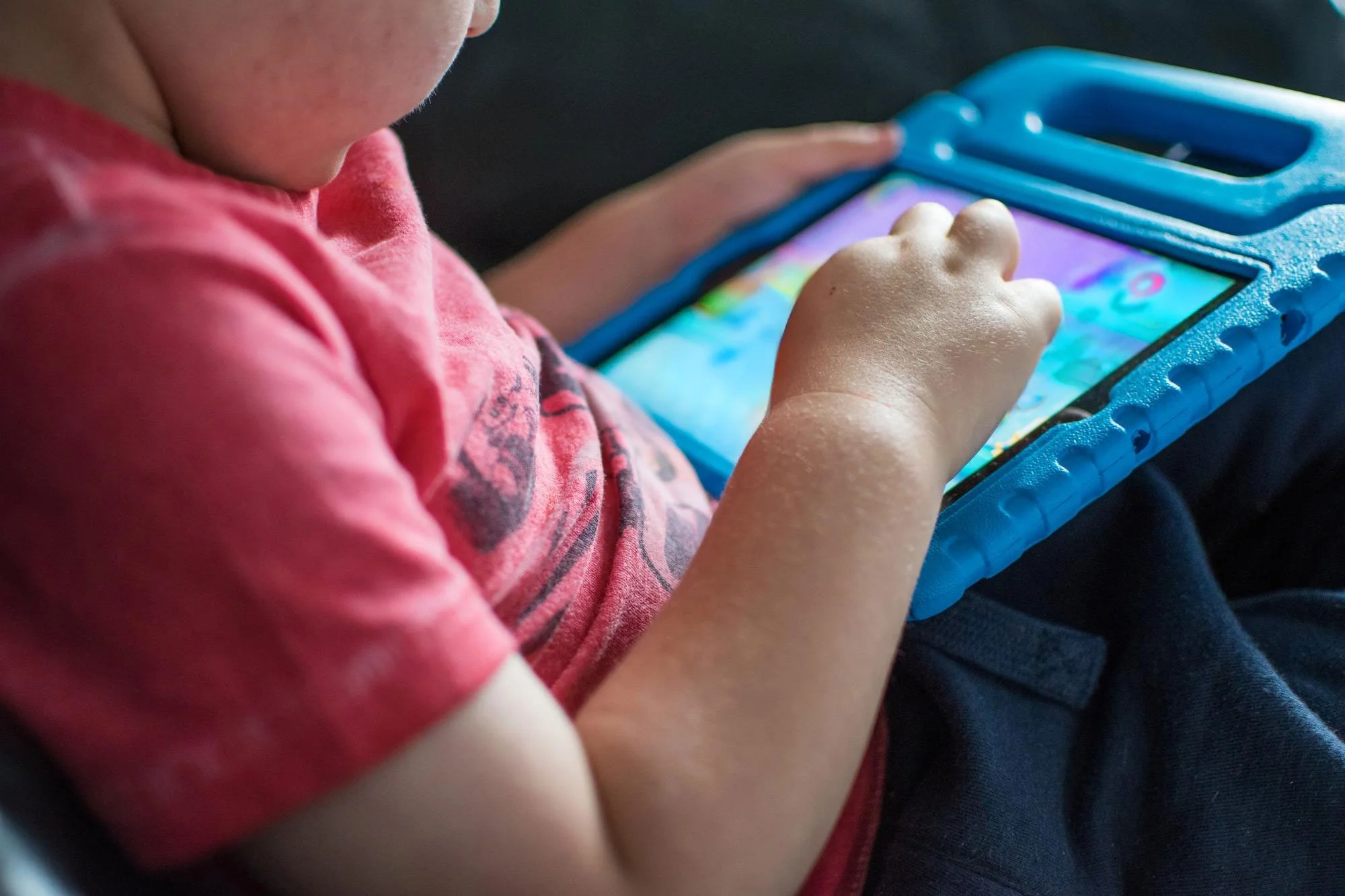
Most educational apps are designed to work without a parent in the room. That is not an accident. It is a feature. An app that requires constant adult involvement is harder to market than one that keeps a child occupied independently.
So the parent hands the child an iPad, sees them doing something that looks educational, and steps away feeling good about it. The child is not watching cartoons. They are learning. It feels like a win.
But no one is there to model sounding out. No one is there to catch the moment the child guesses at a word instead of working through it. No one is there to slow them down when they are rushing, or celebrate when something finally clicks. The learning that happens becomes reactive and isolated rather than deeply understood. And crucially, the parent never builds the habit of sitting with their child and doing real reading practice together.
That habit, a parent and child working through words side by side, is one of the most important things in early literacy. Research consistently shows that parent involvement in early reading practice is one of the strongest predictors of reading outcomes. An app that is designed to work without a parent is quietly undermining the development of that habit every time it is used.
The child gets some screen time that looks educational. The parent feels like something productive happened. And the window for building real, parent-led reading practice gets a little smaller each time.
What Actually Builds Readers
A parent sitting with their child, working through real words together. That is the answer. Not because it is a nice idea, but because it is what the research on early literacy actually supports.
When a parent is present, they can model the sounding out process directly. They can show their child how to look at a word, say each sound from left to right, and blend those sounds into a word. They can slow down when the child rushes. They can celebrate every small win in real time. They can keep the session short and positive so the child leaves wanting to come back tomorrow.
None of that can be replicated by an app. An app can provide words to practice with. It can make the process visual and interactive. But it cannot replace the presence of a parent who is watching, guiding, and responding to what their specific child needs in that specific moment.
The parent is the teacher. The tools just make it easier to teach.
Educational researchers have a term for what happens when a parent and child use a digital tool together: Joint Media Engagement. Studies on Joint Media Engagement consistently show that children retain significantly more from screen-based learning when a parent is actively involved alongside them. The screen is not the problem. Isolation is. A tool used together becomes a shared teaching experience. The same tool used alone becomes just another screen.

Where Phonics Factory Fits In
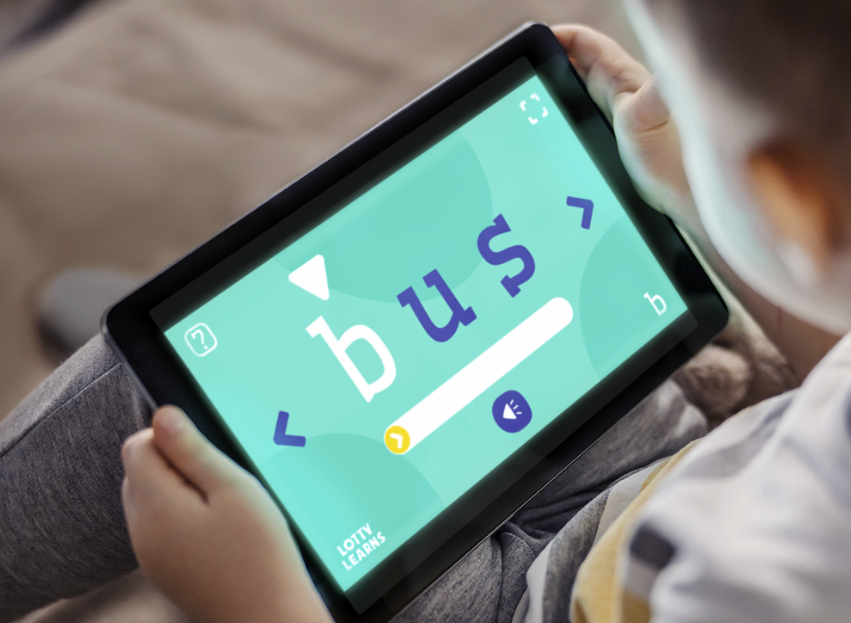
Phonics Factory at Lotty Learns was built specifically around this understanding. The tools are intentionally stripped down. There are no characters running across the screen. No reward animations. No levels to unlock. No game mechanics designed to keep a child hooked.
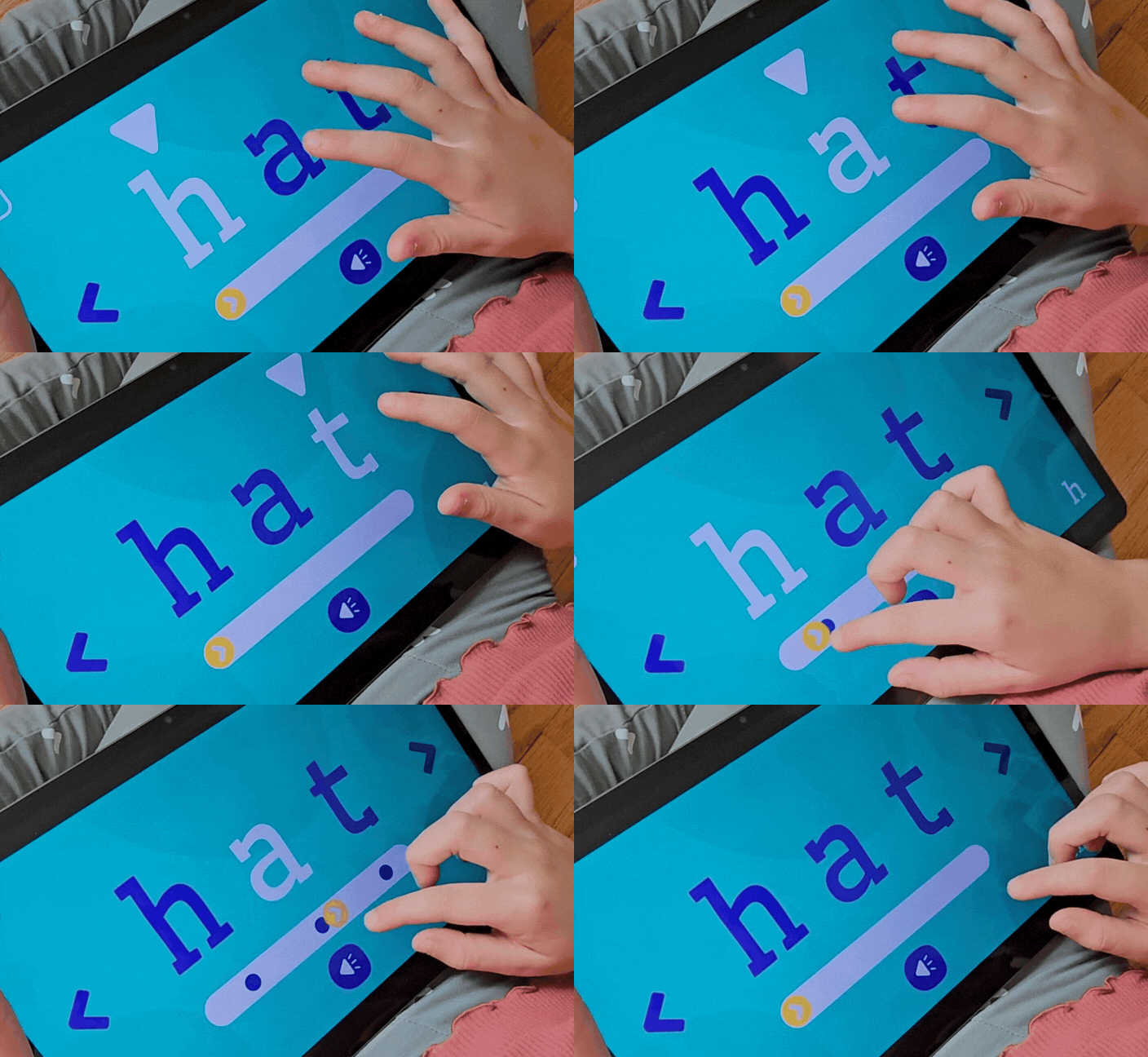
Just real words, individual letter sounds, and a blending tool that makes the decoding process visible and interactive. A full word appears on screen. Your child taps each letter to hear its sound. Then they use the blending slider to move across the word from left to right, saying each sound as the letter lights up, gradually speeding up until the sounds click together into the word.
It is a calm, focused environment. Not because calm is a nice aesthetic, but because calm is what builds the mental stamina a child needs to sit with a real book. The goal is not to keep a child on the screen as long as possible. It is to give them ten focused minutes of real word interaction alongside a present parent, and then get them off the screen and into a book.
The tools are designed to be used with a parent. Not handed to a child to figure out alone. A parent who sits beside their child, models how to use the slider, keeps the session positive, and shows up consistently is the ingredient that makes the tools work. Without that, even the best tool is just another screen.
Try Phonics Factory free for 7 days at lottylearns.com
How to Tell If Your Child's App Is Actually Working
If you are currently using an educational app with your child, here are some honest questions worth asking:
Can your child sound out a word they have never seen before? Not recognize it, not guess it from the picture. Actually sound it out, letter by letter, and arrive at the word through decoding. If yes, something is working. If not, the app may be building familiarity without building the underlying skill.
Is your child willing to sit quietly with a book? If they find a page without animations and sound effects frustrating or boring, that is worth paying attention to. It does not mean they cannot read. It may mean their attention has been conditioned by high stimulation environments.
Are you in the room when they use the app? If you have been stepping away and leaving your child to use the app alone, you are missing the part of reading practice that matters most. Try sitting with them for one session and see what you notice. Are they actually working through words or clicking through screens?
None of these questions are meant to make a parent feel guilty. They are meant to help you see what is actually happening so you can make a better decision going forward.
Try This Tonight
Pick a word. Think of a word your child regularly gets right inside their current reading app. Something they clear easily and confidently.
Strip the graphics. Write that exact word on a blank piece of paper, completely stripped of all the app's colors, characters, and visual context.
The test. Show it to your child and ask them to read it.
If they can, they are decoding. If they cannot, they have memorized the app's visual layout, not the word. That is the difference between a child who is learning to read and a child who is learning to use an app.
The Bottom Line
Learning apps can teach kids some things about reading. The honest answer is yes. But the more important question is what habits those apps are building alongside the phonics, and whether a parent is in the room to make the learning real.
An app that keeps your child stimulated and occupied is doing its job. Whether that job is helping your child become a reader is a different question entirely.
Real reading ability comes from consistent, parent-led practice with real words. It comes from a child who has been taught to sit with a word and work through it, not to wait for the screen to make it exciting. And it comes from a parent who shows up, models the process, and stays involved long enough to see the results.
That is what Phonics Factory is built for. Ten focused minutes a day, a parent and child working through real words together, in an environment designed to build readers rather than screen time habits.
Frequently Asked Questions
Are all learning apps bad for kids?
No. Some apps are genuinely well designed and do teach real phonics concepts. The concern is not with apps as a category but with apps built around entertainment mechanics that condition children to need stimulation in order to focus, and with the habit of using any app as a substitute for parent-led practice. The tool matters less than how it is being used and whether a parent is involved.
My child seems to be learning from their app. Should I stop using it?
Not necessarily. If your child is picking up letter sounds and phonics concepts from an app, that learning is real. The question to ask is whether they can transfer that learning to real words on a page without pictures, animations, or prompts. If they can sound out an unfamiliar word in a real book, something is working. If they cannot, the app may be building recognition without building decoding ability.
What is the difference between a learning app and Phonics Factory at Lotty Learns?
Most learning apps are designed to work without a parent in the room and use entertainment mechanics to keep a child engaged. Phonics Factory at Lotty Learns is designed to be used with a parent and intentionally removes game mechanics, reward animations, and characters so the focus stays on the words. The goal is ten focused minutes of real word practice alongside a present parent, not extended solo screen time. Phonics Factory was built by the creators of the Lotty Learns YouTube channel, which has helped over 329,000 families with early literacy. After seeing what worked and what did not across millions of views, the conclusion was clear: screens only work for reading when they bring parents and children closer together rather than separating them.
Why does it matter if I am in the room or not?
When a parent is present they can model the sounding out process, catch the moments when a child guesses instead of decoding, slow things down when needed, and celebrate when something clicks. None of that happens when a child uses an app alone. Research consistently identifies parent involvement as one of the most important factors in early reading outcomes. An app used without a parent is missing the most important ingredient.
My child loves their reading app and does not want to stop. What do I do?
That is actually part of the conditioning problem. A child who has been trained to expect high stimulation will naturally prefer the app over quieter practice. The transition does not have to be abrupt. Start by sitting with your child during their current app time so you can see what they are actually doing. Then gradually introduce short sessions of real word practice alongside the app. Over time, as decoding starts to click, the satisfaction of actually reading a word tends to become its own reward.
How much time should my child spend on educational apps each day?
Less than most parents assume. Evidence shows that short, consistent sessions of interactive, parent-guided practice are far more effective for long-term retention than extended, unsupervised screen time. The goal is not to maximize time on screen. It is to make the time your child does spend with words as effective as possible. Short, consistent, parent-guided sessions beat long unsupervised ones every time.