How to Build Your Child's Reading Foundation Before Kindergarten Starts
Most parents assume reading is something children learn in kindergarten. The teacher introduces letters, the class works through phonics, and somewhere in first grade a child starts to read. That is the default plan, and for a lot of families it is the only plan.
But here is what the research actually shows: children who arrive at kindergarten with a solid phonics foundation learn to read faster, more confidently, and with fewer gaps than children who are starting from zero. And children who have had consistent, parent-led phonics practice before school begins are not just a little ahead. Some of them are already reading.
That is not a marketing claim. It is what happens when a present, involved parent uses the right tools consistently over time. The window before kindergarten is not waiting time. It is some of the most valuable practice time you have.
Why the Years Before Kindergarten Matter More Than Most Parents Realize
The brain is doing significant work in the years before formal schooling begins. Language pathways are developing rapidly, phonological awareness, which is the ability to hear and manipulate individual sounds in words, is forming, and the habits and associations a child builds around letters and sounds in these early years become the foundation everything else is built on.
The National Assessment of Educational Progress, which tracks reading levels across the United States, consistently shows that 68% of fourth graders are reading below proficient. Proficient means grade-appropriate reading ability. That number reflects a broad literacy challenge with roots in many factors, and weak early phonics foundations are consistently identified as a significant one. Based on data from the National Assessment of Educational Progress (NAEP), 2022.
Children who have had explicit, consistent exposure to letter sounds before kindergarten are not just ahead of their classmates. They are building on something solid. Children who arrive with no phonics exposure are learning the foundation at the same time they are expected to start building on it. That gap is real and it widens quickly.
The good news is that you do not need a teaching degree or a formal program to give your child a meaningful head start. Some consistency and progression in what you practice helps, but it does not need to look like school. You need to understand what pre-reading skills actually are and spend a few intentional minutes on them each day.
What Reading Readiness Actually Means
Reading readiness is often misunderstood. Many parents think it means a child knows their ABCs, can write their name, or recognizes a few sight words. These things are fine but they are not the foundation of reading.
Real reading readiness comes down to two things: phonological awareness and letter-sound knowledge.
Phonological awareness is the ability to hear the individual sounds inside words. It is the understanding that the word "cat" is made up of three separate sounds: /c/ /a/ /t/. A child who can hear those sounds separately, who can tell you that "cat" and "cup" start the same way, or who can clap out the syllables in their name, is developing the auditory foundation that decoding is built on.
Letter-sound knowledge is knowing what sound each letter makes. Not the letter name. The sound. The letter B is not "bee." It makes a /b/ sound. This distinction matters enormously when a child is learning to blend sounds into words. A child who knows letter sounds can start connecting those sounds to written letters, which is the beginning of real decoding.
Everything else, sight words, sentence reading, fluency, comprehension, is built on these two things. If a child is strong in phonological awareness and letter-sound knowledge before kindergarten starts, they have the foundation. Everything else is construction on top of it.
What You Can Do Before Kindergarten Starts
You do not need a lesson plan or a teaching schedule. What you need is a handful of practices that you do consistently, even briefly, over the months before school starts.
Play with sounds, not just words. Talk to your child about the sounds inside words. Ask them what sound "sun" starts with. Ask them if "map" and "mat" sound almost the same. Point out rhymes when you read books together. These are not academic exercises. They are games that build the auditory awareness your child needs to decode.
Prioritize letter sounds alongside letter names. Most parents start with the alphabet song, which teaches letter names. That is fine, but sounds are what actually drive decoding. When you introduce a letter, make sure your child knows the sound it makes, not just its name. The letter S makes a /s/ sound like "snake." The letter M makes a /m/ sound like "moon." A child who knows both is better prepared than a child who only knows the names.
Practice blending out loud. Take a simple three-sound word and say each sound separately, then slide them together. /d/ /o/ /g/. Dog. Do this casually, during meals, in the car, while getting dressed. You are building the blending reflex that is at the core of decoding. A child who can blend sounds together before kindergarten has a significant advantage the moment formal reading instruction begins.
Read together every day, but read actively. Reading aloud to your child builds vocabulary and comprehension. But do not stop there. When you come across a simple word, point to the letters and say the sounds. Show your child that the letters on the page connect to the sounds you are making. This is how the abstract system of reading becomes concrete for a young child.
Keep it short and low pressure. Five to ten minutes of intentional phonics practice is enough. Young children do not need long sessions. They need consistent, positive exposure. The moment it feels like a chore for either of you, stop and come back to it tomorrow.
The Difference Between Exposure and Real Practice
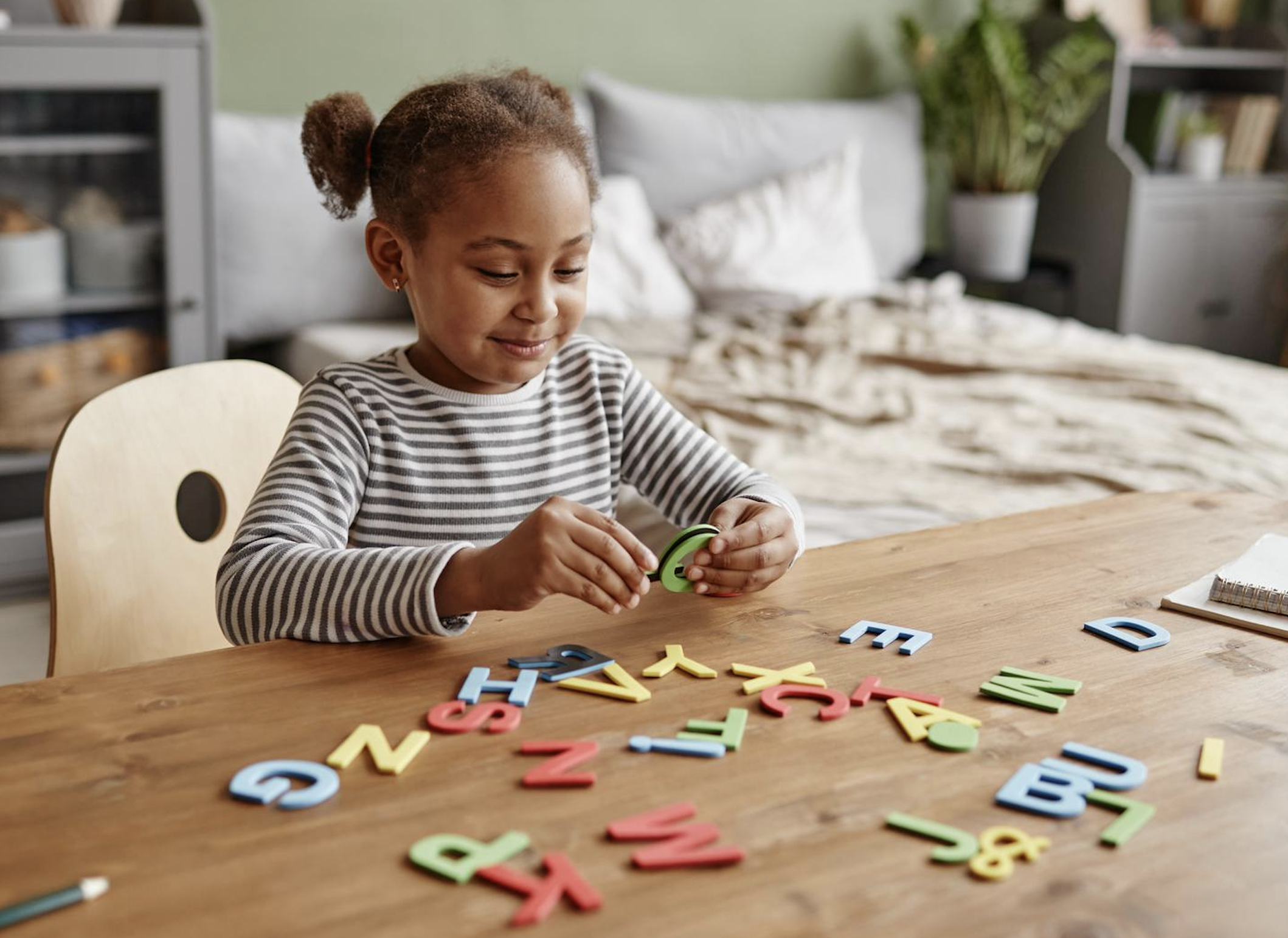
The most common mistake parents make before kindergarten is assuming that exposure to letters is the same as phonics practice. Refrigerator magnets, alphabet puzzles, and letter-themed toys are fine. But if a child can identify every letter by name and has no idea what sound those letters make, they are not reading ready. They have learned to recognize symbols, not to decode them.
A similar mistake is relying on reading apps to do the work. Many apps designed for preschoolers are built around letter recognition, picture matching, and simple word games that feel educational but do not build the decoding skills that matter. A child can spend an hour on many of these apps and come away with very little new ability to sound out a word they have never seen before. Not all apps are equal, but if the app is not requiring your child to actively decode, it is not building the skill that reading depends on.
The difference between exposure and practice is the difference between knowing that music exists and being able to play an instrument. Phonics is a skill. It requires active practice, not passive exposure. And it requires a parent in the room, not a screen doing the work on autopilot.
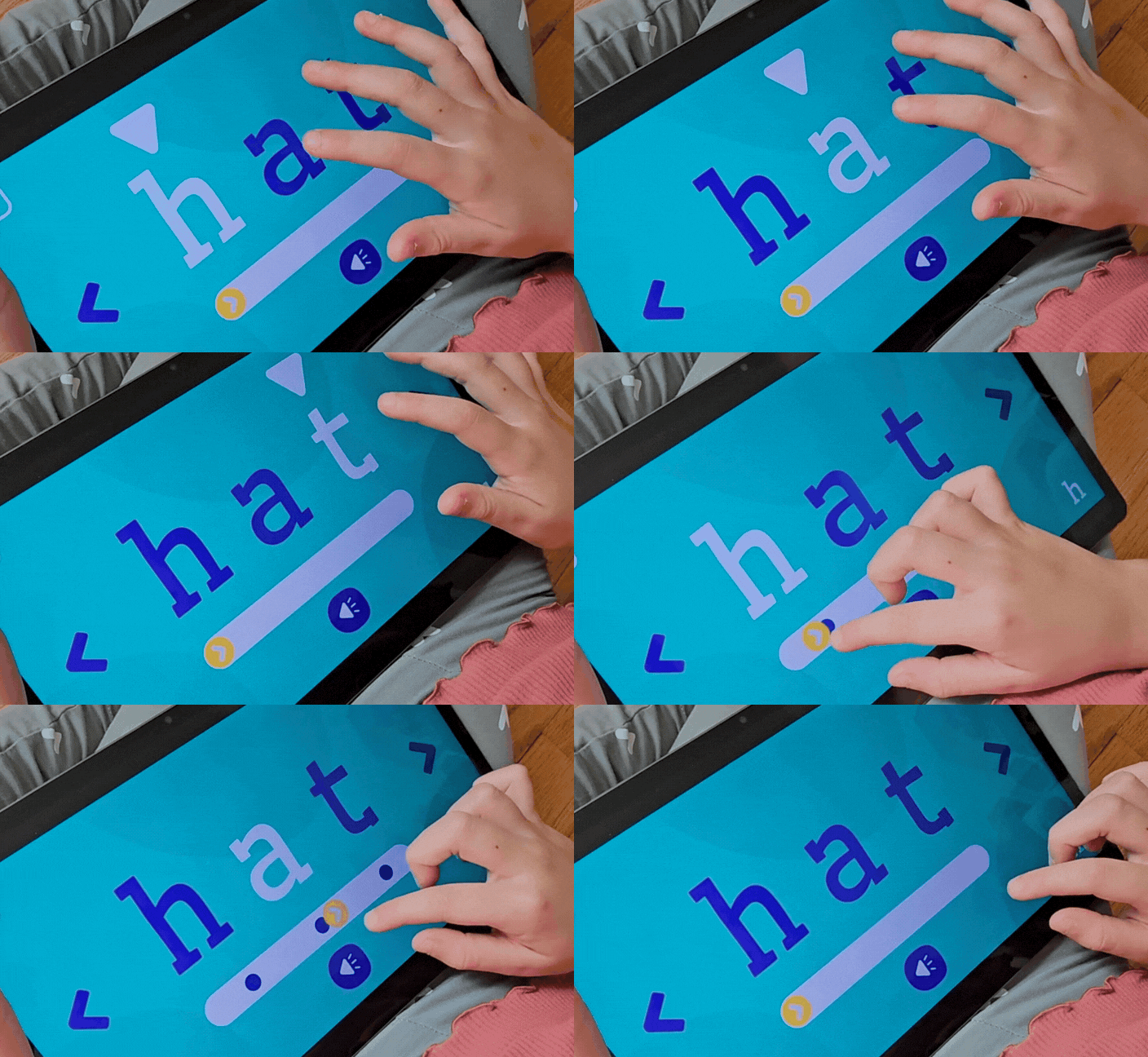
This is exactly what Phonics Factory at Lotty Learns is built around. Rather than rewarding clicks and guesses, it puts your child in direct contact with over 900 decodable words using a blending tool that makes the sounding-out process visible and interactive. There are no pictures to guess from and no game mechanics to distract from the work. It is designed for parents and children to use together.
And here is the honest truth about what that looks like in practice: a parent who sits with their child for ten focused minutes a day, uses these tools consistently, and stays engaged in the process is giving their child the strongest possible start. Some children are reading before kindergarten ever begins. Not because any single tool guarantees it, but because consistent, parent-led phonics practice is one of the most powerful things you can do for early literacy.
Start your free 7-day trial at lottylearns.com
What Kindergarten Teachers Actually Want Children to Know
Kindergarten teachers consistently report that the children who thrive are not necessarily the ones who already know how to read full sentences. They are the ones who can hear sounds in words, who know most of their letter sounds, and who understand that print on a page connects to spoken language.
Specific skills that give children a strong start in kindergarten:
Recognizing that words are made up of individual sounds
Being able to hear the beginning sound in a simple word
Knowing the sounds of most letters, even if not all of them
Understanding that reading goes left to right across the page
Being able to blend two or three sounds together into a simple word
Having positive associations with books and reading practice
None of these require a child to be reading independently before they start school. They are foundational skills that make formal reading instruction land faster and stick more firmly. But for the child whose parent has been consistent, who has been practicing blending and letter sounds for months before that first day of school, kindergarten becomes acceleration rather than introduction. That is a completely different experience.
Every Child Is Different and That Is the Point
One of the most important things to understand about pre-reading development is that there is no single right age to start and no fixed timeline that every child should follow. Some children are ready to start exploring letter sounds at two. Others are not ready until four or five. Both are normal.
What matters is not hitting a specific milestone at a specific age. What matters is paying attention to what your child is ready for and giving them the right kind of practice when they are ready for it.
A child who is curious about letters and sounds is telling you they are ready to explore. A child who is not yet interested is telling you something too. The goal is not to force early reading. It is to be ready with the right tools when the window opens, and to understand that the window often opens earlier than parents expect.
Studies on early literacy consistently show that children can begin interacting with letter sounds well before formal schooling begins, and that this early exposure has meaningful benefits. Equally important is how that practice feels to a child. Positive associations with reading, the sense that books and words are interesting and approachable, matter alongside phonics skills. A child who enjoys reading practice because it feels like time with a parent they trust will engage more consistently than a child who was drilled on phonics under pressure.
How to Make Pre-Reading Practice Feel Natural
The best pre-reading practice does not feel like school. It is woven into the day in small moments that a child experiences as connection and play rather than instruction.
Sound hunts. Pick a letter sound and look for things around the house that start with it. The /b/ sound: book, ball, bed, banana. This builds phonological awareness through play and it can happen anywhere.
Silly sound substitutions. Take a familiar nursery rhyme or song and swap out the first sounds of words. "Twinkle twinkle little /b/ar" instead of "star." Children find this hilarious and it quietly teaches them to hear sounds inside words.
Letter sound of the day. Pick one letter sound and make it the focus for the day. Point it out in books, on signs, in their name. One letter sound done well is more valuable than ten letter sounds done superficially.
Blend it together. When your child asks what something is called, sometimes answer in sounds first. "It is a /d/ /o/ /g/. Can you put those sounds together?" This turns ordinary conversation into blending practice without any formal setup.
Use a tool designed for this stage. The ABC Playground inside Lotty Learns is built specifically for children who are at the earliest stages of letter-sound discovery. It is a calm, focused environment where a child can explore sounds without pressure or game mechanics pulling their attention away from the letters.
The Head Start That Actually Sticks
There is a version of getting your child ready for kindergarten that is about checking boxes: does my child know their colors, can they count to ten, do they recognize their letters. These things are fine. But they are not what separates children who learn to read smoothly from children who struggle.
The head start that actually sticks is phonics knowledge. Letter sounds. Blending. The ability to hear the individual sounds inside a spoken word and connect them to the letters on a page. This is the skill that kindergarten teachers build on, that first grade reading instruction assumes, and that the Science of Reading identifies as one of the most critical foundations for early literacy.
You can give your child this foundation before school ever starts. Not by turning your home into a classroom, but by spending a few intentional minutes each day on the right kind of practice. The outcome depends on you as much as it depends on your child. A parent who shows up consistently, who stays in the room, who uses the right tools and guides the practice, is not just giving their child a head start. They are giving their child the ability to actually read. Before kindergarten begins.
Frequently Asked Questions
What age should I start building my child's reading foundation?
Children can begin exploring letter sounds earlier than most parents expect. There is no single right age. What matters is paying attention to when your child shows curiosity about letters and sounds and having the right tools ready when they do. Many children are ready to start phonics play well before they turn three.
Does my child need to know the alphabet before starting phonics?
No. Letter names and letter sounds are different things. A child does not need to know the alphabet song before they start learning what sounds letters make. In fact, leading with sounds rather than names is the approach most supported by reading research. Sounds are what drive decoding. Names come easily once sounds are solid.
How much time do I need to spend on pre-reading practice each day?
Five to ten minutes of focused, consistent practice is enough for a young child. Short sessions done regularly are far more effective than occasional long ones. The goal is to build a daily habit that feels natural and positive, not to schedule formal lessons.
Is reading aloud to my child enough to prepare them for kindergarten?
Reading aloud is valuable and builds vocabulary, comprehension, and a love of books. But it is not the same as phonics practice. A child who is read to regularly but has no explicit letter-sound instruction will still arrive at kindergarten without the decoding foundation they need. Both are important and they work best together.
What is the difference between phonological awareness and phonics?
Phonological awareness is the ability to hear and work with the sounds in spoken language. It does not involve print at all. Phonics connects those sounds to written letters. Both are essential. Phonological awareness develops first and makes phonics instruction much easier when it begins. Playing with rhymes, syllables, and beginning sounds builds phonological awareness before a child ever touches a letter.
My child is not interested in letters yet. Should I be worried?
Not necessarily. Children develop at different rates and interest in letters and sounds emerges at different times. Rather than pushing formal instruction, focus on making sounds and language playful. Rhymes, songs, and word games build phonological awareness without requiring a child to sit down and study letters. Interest in the written form usually follows naturally once the auditory foundation is there.
Can consistent practice with the right tools actually produce a reader before kindergarten?
Yes. Not as a guaranteed outcome for every child, because every child develops at their own pace. But for a parent who uses the right phonics tools consistently, stays involved in the practice, and guides their child through letter sounds and blending over time, having a child who can decode real words before kindergarten begins is a realistic outcome. The tools make it possible. The parent makes it happen.
Can I really do this without being a teacher?
Yes. You do not need a teaching background or a formal program. What helps is some consistency in what you practice, working through letter sounds, then blending, then words, in a logical progression. Phonics Factory at Lotty Learns is designed specifically for parents who want to be involved without needing to be experts. The tools provide the structure. You provide the ten minutes and the encouragement.